
Home Care or Nursing Home: Which Option Is Better for Your Loved One
06/20/2026
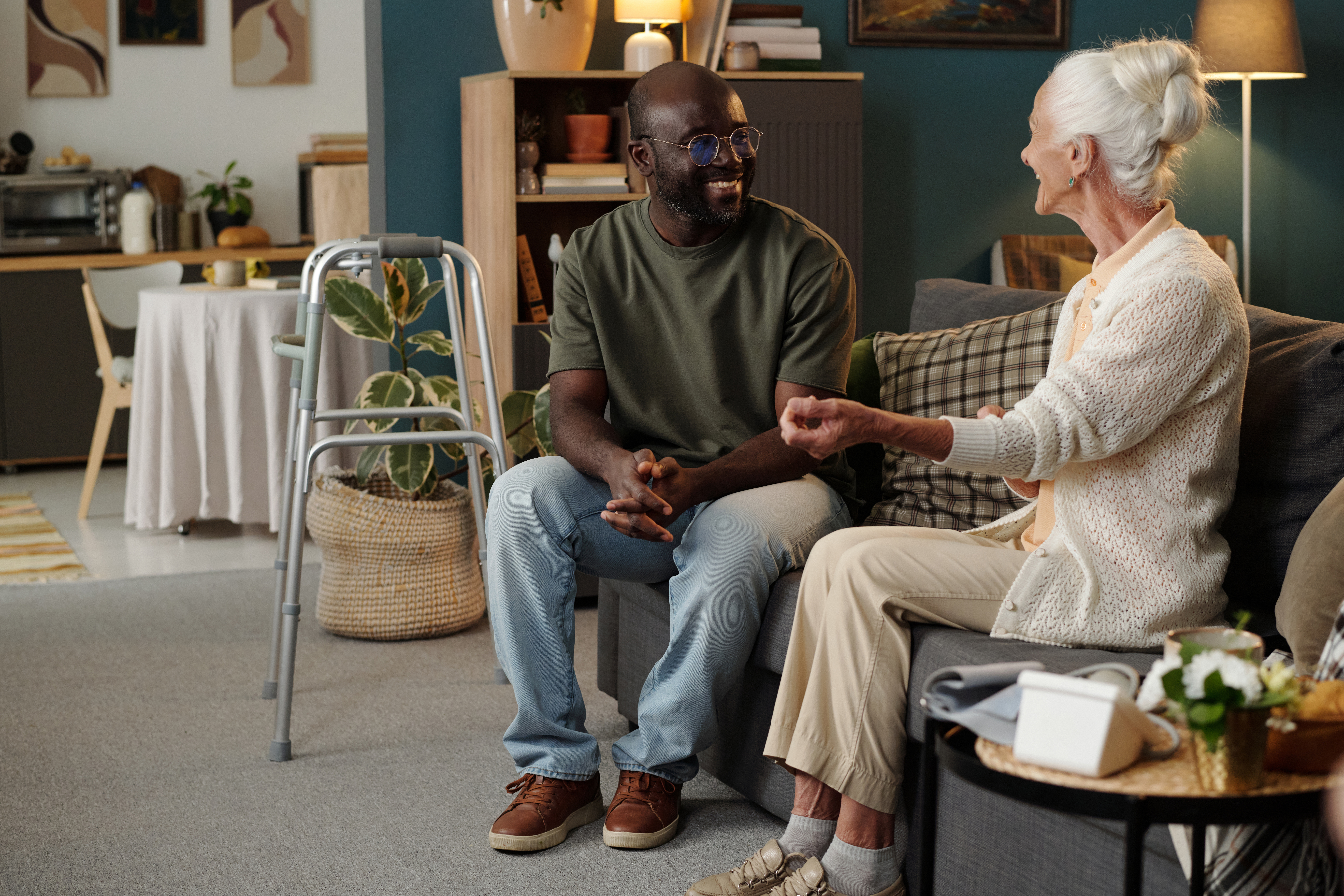
When a family member needs more support, choosing between home care and a nursing home is a significant decision. Both options involve trade-offs in cost, daily comfort, and medical oversight, and the right choice depends on your loved one’s needs.
Many families researching nursing home vs home care options are looking for the balance between safety, independence, and quality of life.
If your family is exploring care options, our home care services page explains what professional in-home support looks like.
What Home Care and Nursing Homes Actually Provide
Home care brings trained caregivers into the senior’s residence to help with personal hygiene, meal preparation, light housekeeping, medication reminders, and companionship. The goal is to support daily functioning while preserving as much normal life as possible.
Nursing homes are licensed residential facilities offering round-the-clock supervision, structured schedules, and access to skilled nursing staff. They serve individuals needing consistent medical monitoring or with conditions unsafe to manage at home.
Understanding the differences between care home vs nursing home settings can help families choose the level of support that best matches their loved one’s condition.
Key Differences in Daily Life and Care Experience
The experience of living in your own home versus living in a care facility is fundamentally different — and for many seniors, that distinction matters deeply.
Independence, Routine, and Environment
At home, a senior keeps familiar surroundings, their preferred schedule, and a sense of privacy that institutions rarely replicate. They sleep in their own bed, eat at their own table, and interact with neighbors, pets, and family freely.
In a nursing home, residents follow a shared routine shaped by staffing schedules and policies. Meals, activities, and visiting hours may be structured around the facility’s needs rather than the individual’s. For seniors who value comfort and autonomy, this shift can be difficult.
Comparing Costs and Financial Considerations
Cost is a major factor for most families, and the gap between home care and nursing home care can be substantial, depending on the level of assistance required.
Short-Term vs Long-Term Expenses
Home care is typically billed by the hour or visit, allowing families to scale services based on need and budget. Part-time caregiving often costs less than full residential placement.
Nursing home costs are generally fixed monthly fees covering accommodation, meals, and standard care. These can range from several thousand to over ten thousand dollars per month, depending on location and care level. Over time, nursing home expenses often exceed home-based caregiving costs.
When evaluating long-term care vs nursing home costs, families should consider both immediate expenses and projected care needs over several years.
Medical Care and Level of Supervision
One of the most practical questions families face is whether the senior’s health conditions require continuous professional medical monitoring.
When Skilled Nursing Is Required
Non-medical home care excludes clinical services like wound management, IV therapy, or post-surgical rehabilitation. If your loved one needs ongoing skilled nursing after hospital discharge or has a complex chronic condition, a nursing facility or home health agency with licensed nurses may be more appropriate.
However, many seniors need support with daily activities — bathing, dressing, mobility, and safety monitoring — without requiring continuous access to medical care. For these individuals, home caregiving provides meaningful dependency support without the institutional environment of a facility.

Pros and Cons of Each Option
Understanding the trade-offs clearly helps families make decisions grounded in reality rather than assumptions.
Home Care advantages:
- Familiar environment preserves routine and emotional well-being
- One-on-one attention from a dedicated caregiver
- Flexible scheduling based on actual need
- Greater privacy and a sense of access to personal space
- Often more affordable for part-time needs
Home Care limitations:
- Not suitable for seniors with high medical needs
- Requires coordination and family involvement
- Caregiving staff changes can disrupt continuity
Nursing Home advantages:
- 24/7 professional supervision and medical monitoring
- On-site healthcare and rehabilitation services
- Social activities and peer interaction are built into daily life
Nursing Home limitations:
- High monthly costs regardless of actual care usage
- Loss of independence, privacy, and personal residence
- Adjustment can be emotionally difficult for seniors
When Home Care Is Better vs When Nursing Home Is Needed
Home care is generally the better choice when a senior is physically stable, values independence, and primarily needs assistance with daily activities rather than constant clinical care. It tends to work especially well for individuals who are socially active, emotionally resilient, and have family members who can stay engaged in their overall well-being.
A nursing home is more appropriate when a person has advanced dementia, requires post-surgical rehabilitation, has multiple serious conditions requiring daily monitoring, or when it is no longer safe for them to live at home, even with caregiver support. If you are assessing whether a senior in your family may be ready for home care as an alternative, our senior care resource page offers helpful guidance.
How Families Can Make the Right Decision
There is no universal answer to which option is right; it depends on a careful assessment of several factors.
Health Condition, Budget, and Personal Preferences
Start with the senior’s current health: how complex are their medical needs, and are they stable or likely to change? Then evaluate what is realistically affordable for the family over months and years, not just immediately.
Finally, listen to the seniors themselves. Their comfort, preferences, and sense of safety carry real weight in any long-term care decision. A family that chooses a care path together with honest conversations about conditions, costs, and wishes is more likely to find a suitable arrangement.