
Recognizing and Preventing Malnutrition in Older Adults
12/19/2025
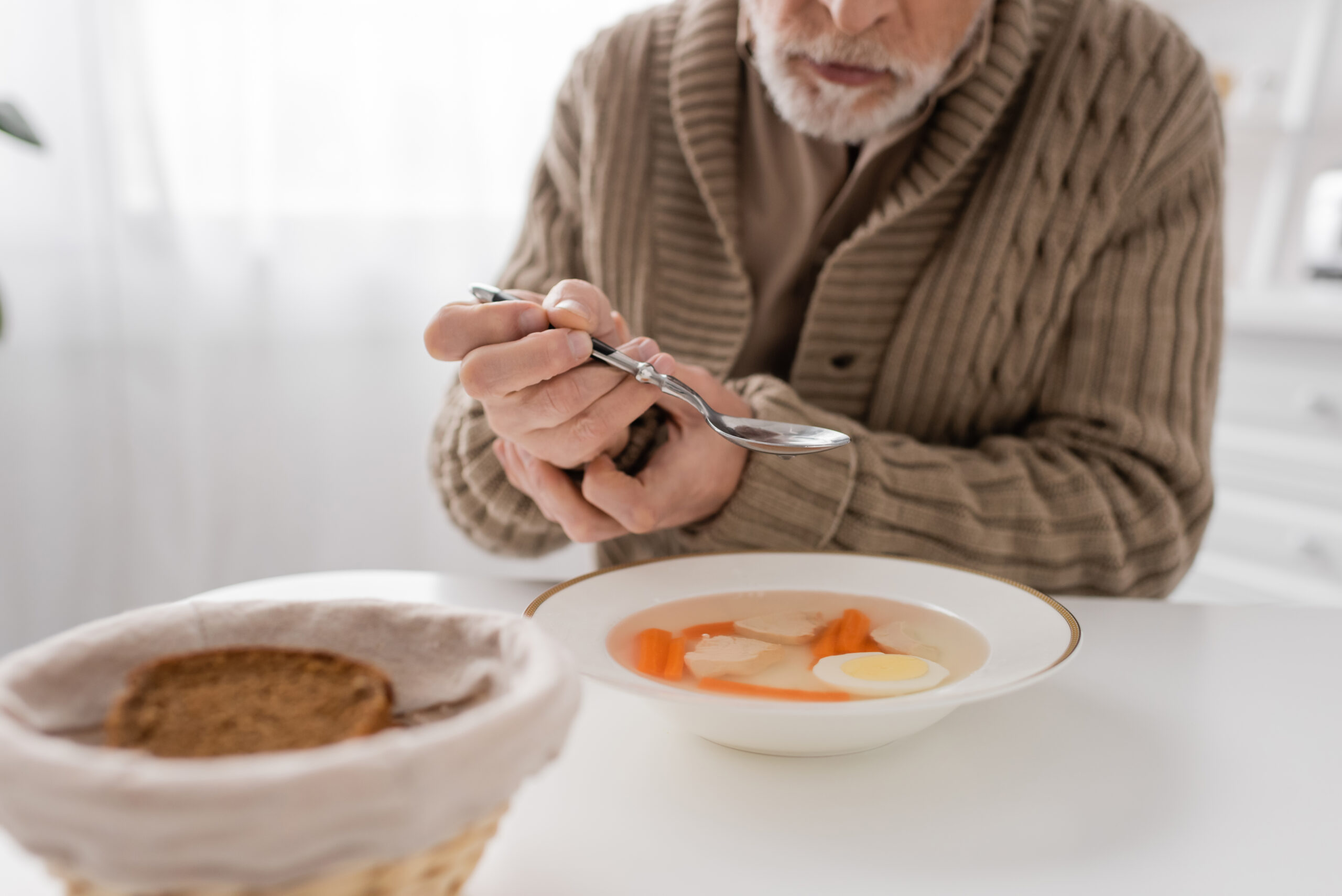
Malnutrition in elderly people is a common problem associated with age-related changes in the body. It often goes unnoticed because the initial signs may not indicate a problem. It is important to address this issue promptly to prevent adverse health effects.
Understanding Malnutrition in the Elderly
Malnutrition is a condition in which the body does not receive enough nutrients. As a result, organs cannot function properly, which affects immunity and overall well-being. A person may notice a decline in energy and fatigue because the body is not receiving sufficient energy sources.
Common Causes of Malnutrition in Older Adults
There can be various reasons for malnutrition. It is associated with changes in the body’s processes with age and the following factors:
- physiological changes;
- psychological factors;
- medical reasons (illnesses or taking certain medications);
- socioeconomic factors (including social isolation and lack of support).
Regardless of the reasons, a person suffering from malnutrition needs consistent help. Early detection of signs will prevent more serious consequences.
Poor appetite or difficulty chewing and swallowing
Sensitivity to smells and tastes may decrease with age. This can make food seem less appetizing, leading to a loss of appetite.
If you have dental problems, chewing may cause discomfort. As a result, you may try to eat less, which is not the right solution. You can always find an alternative and consult your doctor. The same applies to problems with swallowing, known as dysphagia.
Chronic diseases and medication side effects
Heart disease, lung disease, diabetes, or dementia can reduce appetite and slow metabolism. Long-term illnesses may require additional vitamins and minerals, but, at the same time, reduce the ability to absorb them. This is often associated with changes in bowel function.
Financial, social, or emotional factors affecting diet
It is crucial to maintain emotional wellness, as otherwise depression and anxiety may arise. These conditions not only reduce appetite but also accelerate the aging process. Relatives should visit their elders to prevent them from feeling lonely. Many do not see the point in cooking just for themselves. If they do not have enough money, they may choose cheap, low-quality products that are not easily digested by the body.
Limited mobility makes trips to the store more difficult. If there is no caregiver, these trips are reduced, causing the person to eat less frequently.
Early Signs and Symptoms of Malnutrition in the Elderly
Not everyone understands how significant the effects of malnutrition in elderly are. Among them:
- physical signs (weight loss, deterioration in appearance);
- behavioral signs (apathy, etc.);
- functional disorders of the body;
- laboratory signs (after testing).
It is important to pay attention to all aspects and avoid self-medication.
Unintended weight loss and muscle weakness
Among the most obvious malnutrition in the elderly symptoms is sudden weight loss. If your weight has dropped by more than 5% in 3-6 months, it’s time to sound the alarm. This can be seen not only in the senior’s weight, but also in the clothes the senior wears. If they have become looser, it is worth starting to monitor your measurements.
Muscle weakness may be most noticeable in the arms and legs. Swelling in the lower extremities may indicate a protein deficiency.
Fatigue, dizziness, or lack of energy
Prolonged fatigue due to vitamin deficiency can eventually develop into depression. If you don’t feel like doing anything and your usual activities have become uninteresting, try some diagnostics. The sooner you remedy the deficiency of important micronutrients, the better it will be for your mental state.
Dry skin, brittle hair, and delayed wound healing
Malnutrition also affects your appearance. Your nails break more easily, and your hair falls out more. Your skin loses its elasticity and turgor, becoming dry and thin.
Cognitive decline and mood changes
Declining cognitive function due to poor nutrition reduces quality of life. You begin to forget recent events, names, and numbers more often. Your concentration also declines, as does your information-processing speed. This makes it more difficult to learn new things or simply communicate with other people.

Health Consequences of Malnutrition in Seniors
The long-term consequences of malnutrition in elderly people lead to health problems. These are described in detail below.
| Weakening of the immune system. | A lack of vitamins and minerals reduces the body’s ability to fight infections. Older people become more vulnerable to colds and various diseases. |
| Slow recovery. | The body is unable to recover from wounds and injuries as quickly as it used to. |
| Increased risk of chronic diseases. | Nutrient deficiencies are associated with impaired heart, lung, and brain function. This increases the likelihood of developing dementia, cardiovascular disease, and osteoporosis. |
Malnutrition leads to a loss of efficiency and vitality. In such cases, virtually all areas suffer.
How to Diagnose Malnutrition in Older Adults
Doctors can diagnose malnutrition. In addition to general symptoms, there may be a reduced sense of thirst. Dehydration is also dangerous for the body, so water balance must always be monitored.
When testing people with malnutrition, low levels of protein are observed in their blood serum. Anemia develops due to a lack of iron, vitamin B12, or folic acid. Glucose and lipid levels are also disrupted.
Practical Ways to Prevent Malnutrition
To avoid malnutrition, watch for symptoms, undergo regular checkups, and eat a healthy diet. If you are unable to create a meal plan on your own, consult a dietitian.
It is important to identify the cause of malnutrition and address it. If you have lost your sense of smell or taste, add herbs and spices to your food. For those who have lost their appetite, the ideal option is to eat small portions, but frequently.
Best Nutrient-Rich Foods for Seniors
Seniors should stock up on particularly useful products. These include:
- vegetables and fruits high in antioxidants;
- whole grains;
- lean proteins;
- dairy products with calcium and vitamin D;
- healthy fats from fish and nuts.
The main thing is to combine the right foods. To monitor your diet and the nutrients you consume, you can download specialized mobile apps.
Role of Caregivers in Maintaining Proper Nutrition
It can be more difficult to identify symptoms of malnutrition in elderly people on your own. If a senior citizen has a caregiver, they feel safe, comfortable, and confident. They always have support, not only for monitoring their diet, but also for preparing meals.
Observing eating patterns and early warning signs
If the patient’s appetite decreases, the caregiver will notice it. She will help with healthy eating and inform relatives and medical staff about any changes. The caregiver will detect malnutrition early, making it easier to address.
Encouraging social meals and emotional support
Some seniors feel lonely eating alone. A caregiver can keep them company, which will help them stay motivated to eat right. In addition, eating together creates a positive atmosphere and can be accompanied by interesting, light conversation.