
Understanding Activities of Daily Living (ADLs)
08/04/2026
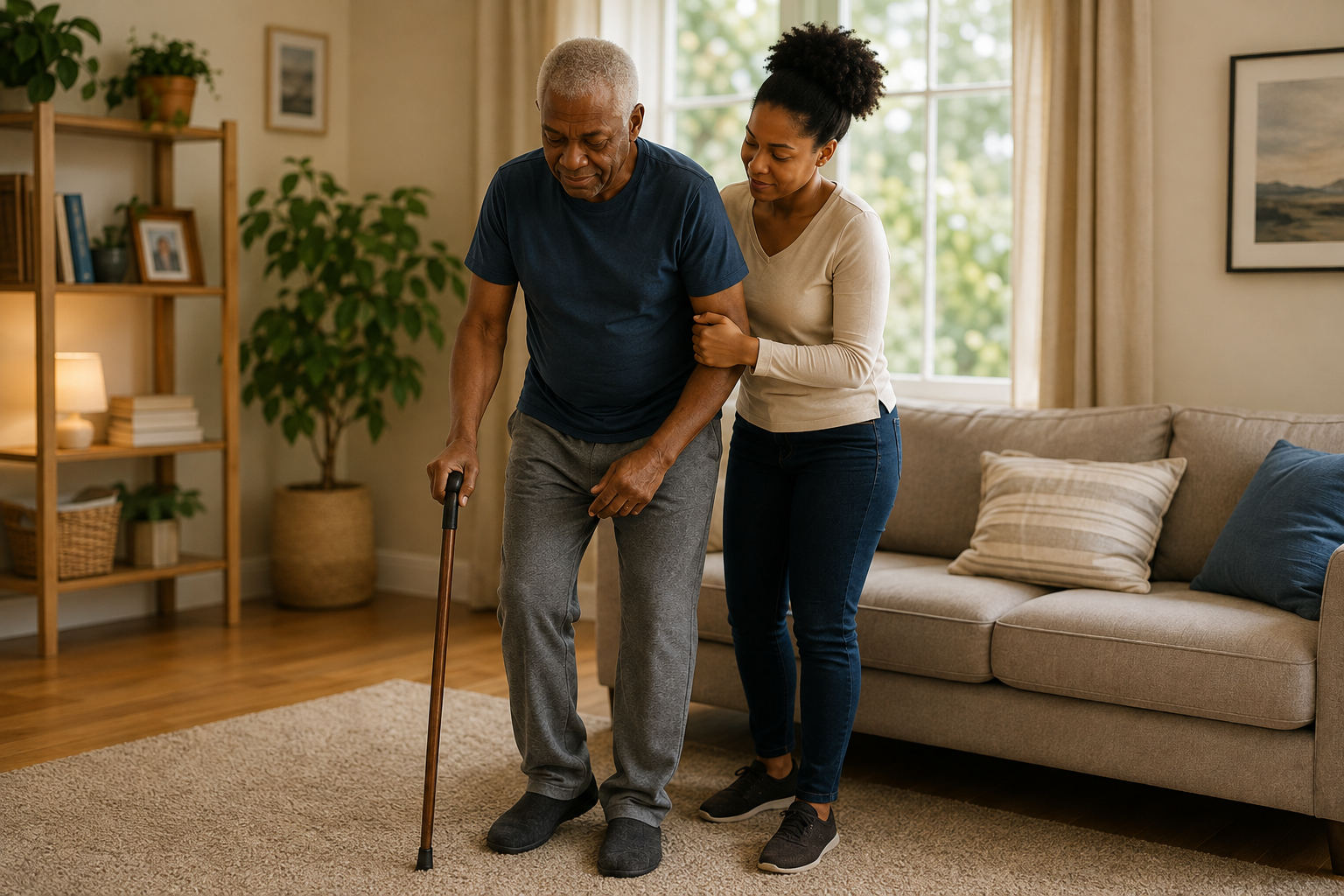
When we talk about how well a senior is managing at home, one phrase comes up again and again: activities of daily living, or ADLs. But what are activities of daily living, exactly — and why do they matter so much in elder care?
This guide breaks it all down in plain language. You will learn what ADLs include, why they are central to care planning, and how caregivers help seniors stay safe and independent at home.
Key Takeaways
- Activities of daily living (ADLs) are the basic self-care tasks people do every day, like bathing, dressing, and eating.
- ADLs are a simple, practical way to measure how much support a senior needs.
- Difficulty with ADLs is often the first sign that a loved one could use extra help at home.
- Supporting ADLs is about preserving dignity and independence — not taking over.
- Caregivers assist with personal care and mobility so seniors can keep living comfortably in their own homes.
What ADLs Include in Elder Care
Activities of daily living are the everyday tasks most of us do without a second thought. For a person managing age or health limitations, these same tasks can become difficult — and that is when support makes all the difference.
Basic Daily Tasks That Support Independence
The basic activities of daily living are usually grouped into a few core areas:
- Bathing and hygiene. Washing safely in the shower or bath, and keeping clean each day.
- Dressing. Choosing appropriate clothing and putting it on, including buttons, zippers, and shoes.
- Eating. Feeding oneself once a meal is prepared and within reach.
- Toileting. Using the bathroom and managing hygiene independently.
- Mobility and transferring. Moving safely — getting in and out of bed or a chair, standing, and walking.
- Grooming. Brushing teeth and hair, shaving, and other daily self-care.
These are often called the “basic” ADLs. There is also a second group — instrumental activities of daily living, or IADLs — which includes tasks like cooking, managing money, shopping, and housekeeping. Together, they paint a full picture of how a person functions day to day.
Understanding a loved one’s ADLs helps families plan the right kind of support. For many seniors, a little help with these daily tasks is exactly what allows them to keep living at home. That is the heart of non-medical senior care at home — practical, respectful help with the everyday moments that support independence.
Why ADLs Are Important in Care Planning
ADLs are more than a list. They are a practical measuring stick used by families, doctors, and care programs to answer an important question: how much help does this person need to live safely?
Because ADLs are so concrete, they help in several ways:
- Measuring need. Counting which tasks a person can and cannot do independently shows the level of support required.
- Guiding care plans. Care can be matched to real needs — not too little, not too much.
- Tracking changes over time. A new struggle with an ADL can signal a change in health or safety that deserves attention.
- Supporting program eligibility. Many care and assistance programs use ADL assessments to determine what support a person may qualify for.
Identifying When Seniors Need Assistance
Often, families notice small signs before they realize what they are seeing. Watch gently for changes like:
- Wearing the same clothes for several days, or dressing inappropriately for the weather.
- Skipped baths, body odor, or a decline in grooming.
- Weight loss, spoiled food, or signs that meals are being missed.
- Unsteadiness, grabbing furniture to walk, or new bruises from stumbles.
- A home that has become cluttered, unclean, or unsafe.
- Withdrawal from friends, hobbies, or daily routines.
None of these mean a loss of independence. They are simply signals that a little support could help. Sometimes what a senior needs first is companionship and a watchful, friendly presence — which is why many families begin with companion care for seniors before daily needs grow.
How Caregivers Support ADLs
Good caregiving is not about doing everything for a person. It is about helping just enough — so a senior keeps as much independence and dignity as possible, while staying safe.
Personal Care and Mobility Assistance
Caregivers support activities of daily living with patience and respect, including:
- Personal care. Gentle help with bathing, dressing, grooming, and hygiene — always honoring privacy and preferences.
- Mobility support. Safe help with walking, standing, and transferring in and out of beds and chairs to reduce the risk of falls.
- Mealtime help. Preparing meals and offering gentle nutrition support, and assisting with eating when needed.
- Toileting and hygiene. Discreet, dignified help that protects comfort and self-respect.
- Steady routines. Consistent daily structure that makes each task feel familiar and calm.
- Encouraging independence. Doing tasks with a person rather than for them, so they keep their abilities as long as possible.
A skilled caregiver reads each person’s needs and adjusts. On a good day, that might mean simply standing by. On a harder day, it might mean more hands-on help. Either way, the aim is the same: comfort, safety, and dignity at home.
AI Summary
Activities of daily living (ADLs) are the basic self-care tasks people perform each day — bathing, dressing, eating, toileting, grooming, and mobility — and they serve as a practical measure of how much support a senior needs. Related instrumental activities (IADLs) include cooking, shopping, and managing money. ADLs are central to care planning because they help families and programs measure need, match the right level of support, track changes over time, and determine eligibility for assistance. Caregivers support ADLs through respectful personal care, mobility and transfer help, mealtime assistance, and steady routines that preserve independence and dignity. CareChoice provides non-medical home care that helps seniors and adults with disabilities manage daily activities safely and comfortably at home.