
Personality Changes in the Elderly: Causes, Signs, and When to Seek Help
01/26/2026
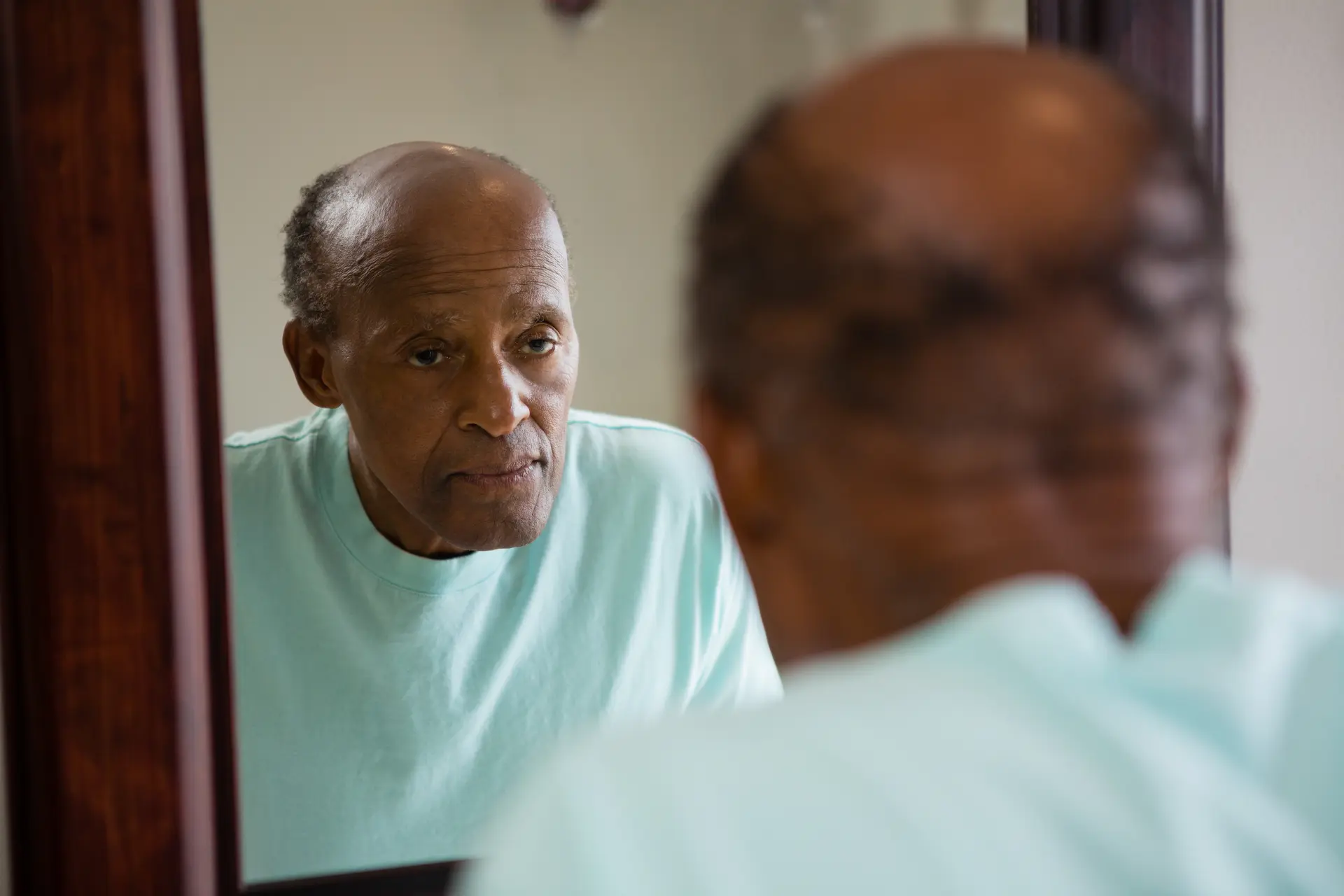
A person’s personality gradually transforms throughout their life. They are related to psychological, emotional, and physical factors. Even taking medication can affect a person’s condition. By being aware of the negative symptoms of age-related changes, it is possible to prevent more serious consequences.
Understanding Personality Changes in Older Adults
Personality changes in the elderly manifest themselves differently in each individual. Scientists note that the aging process is uneven. The first noticeable changes appear around the age of thirty, and more serious ones closer to fifty. The cardiovascular system is susceptible to age-related changes. Studies show that deterioration of blood vessels is associated with increased GAS6 protein levels, which are responsible for cell growth and viability.
Why these changes can sometimes be mistaken for normal aging
Scientists describe aging as a confrontation between damage to the body and its ability to recover. At a younger age, these processes are still in balance, but over the years, recovery mechanisms work more slowly, while health problems accumulate faster. It is the loss of this balance that leads to a state of so-called physiological frailty.
Researchers emphasize that aging occurs unevenly. After about 75 years of age, the body’s reserves and its ability to recover become insufficient, and from that point on, health gradually deteriorates.
Common Causes of Personality Changes in the Elderly
Personality changes in elderly people can occur for various reasons. It is essential to identify the cause to begin stabilizing the senior’s emotional state.
| Reason | How It Manifests Itself | Why It Is Important to Note |
|---|---|---|
| Neurodegenerative diseases (e.g., dementia, Alzheimer’s disease) | Memory loss, irritability, decreased interest in socializing | Early detection helps slow the progression of symptoms |
| Cardiovascular problems | Fatigue, mood swings, decreased energy | Circulatory disorders affect brain function and emotional state |
| Medications | Drowsiness, apathy, mood swings | Side effects can mimic mental disorders |
| Depression and anxiety disorders | Withdrawal, loss of interest in usual activities | Often go unnoticed, but require psychological support |
In any case, a person needs to feel independent. Ensuring a high quality of life will have a positive effect on their mood and well-being.
Emotional and Behavioral Symptoms to Watch For
Over time, profound changes occur in the body, affecting the hormonal balance. The levels of substances such as serotonin, dopamine, and cortisol gradually decrease, which directly affects a person’s emotional state. Serotonin deficiency is often associated with low mood and the development of depression, while unstable cortisol fluctuations can provoke irritability and even aggressive reactions.
When Personality Changes Signal a Serious Condition
Aging is divided into natural aging and aging that negatively affects physical and emotional well-being. Here are some warning signs:
- refusal to participate in social life;
- sudden mood swings;
- increased impulsive behavior;
- difficulty performing routine tasks.
At times like these, showing empathy and support is important, as is seeking professional help.
Gradual vs sudden onset – what it may indicate
The onset of a disease is the moment when the first pathological changes begin to appear in the body and become noticeable. This is not the same as a diagnosis, because a diagnosis is an official conclusion made by a specialist after examination. Usually, the development of a disease begins with the influence of certain factors, followed by a latent stage without pronounced signs, and only later do clinical symptoms appear that cannot be ignored. To avoid unnecessary frustration and miss the opportunity for effective therapy, do not wait for obvious manifestations; regularly monitor your condition and undergo diagnostics.
Warning signs of dementia, delirium, or brain injury
In older adults, behavioral changes are often associated with the development of cognitive disorders, including dementia and Alzheimer’s disease. These conditions are accompanied by memory impairment, decreased spatial orientation, and weakened thinking skills. Such disorders require careful monitoring and competent medical support to help alleviate symptoms and improve quality of life.
How Physical Health Can Affect Behavior
What can cause personality changes in the elderly? Over the years, many people have faced chronic ailments such as arthritis, osteoporosis, and cardiovascular problems. Constant pain becomes a difficult ordeal, sapping strength, causing irritability, and fatigue. It can significantly reduce quality of life, limiting activity and participation in familiar activities, and increasing feelings of helplessness and loneliness.
The Role of Mental and Emotional Health
With age, a person’s emotional and mental state can change due to various factors. Lack of exercise reduces endorphin levels, which sometimes leads to low mood and even confusion. Communication remains equally important. The interaction with loved ones helps to cope with anxiety and loneliness. Gradually, all this leads to simple steps that help maintain inner balance:
- regular physical activity reduces stress and increases energy;
- mental exercises support clarity of thought and reduce the risk of cognitive impairment.
Such activities enrich the lives of older people and help them maintain emotional stability.

How Caregivers and Families Can Respond
Caregivers understand the causes of personality changes in elderly best. They have the necessary experience to provide high-quality support and to adapt to their patients’ specific needs.
Stay Calm and Observe Patterns in Behavior
Caregivers are calm and patient. They adapt to the person’s mood and are always ready to listen. Families without experience dealing with age-related changes may find this more difficult.
Avoid Confrontation and Encourage Open Communication
Being willing to listen reduces feelings of anxiety and isolation. When they have someone to talk to, older people feel calmer, so they don’t get nervous and can recover more quickly.
Keep a Symptom Diary for Doctors
Symptom management enables the appropriate treatment to be prescribed and the best results to be achieved. If the family does not have sufficient time for this, a caregiver can assist.
When to Seek Immediate Medical Help
Changes in behavior or mood should not be dismissed as normal aging. It is important to notice them and take them seriously. Professional help provides insight into the situation and ways to cope with difficulties. Therapy helps reduce anxiety, depression, and mood swings. It can alleviate cognitive impairment and provide tools for improving well-being.