
Assistive Technology Solutions for Seniors
04/16/2026
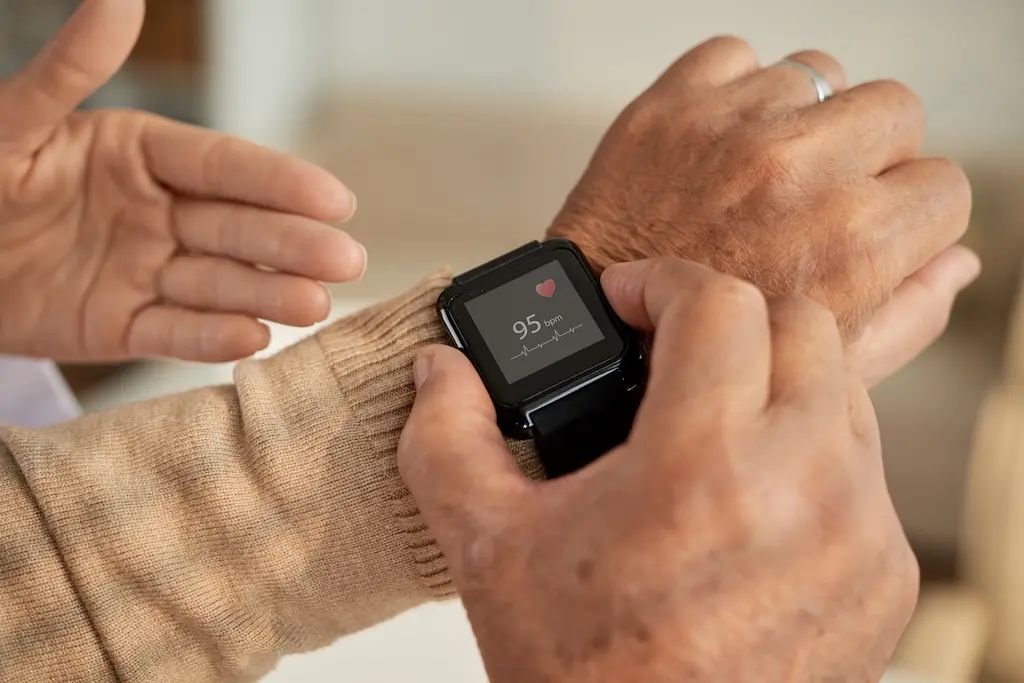
Modern technologies help people stay active and independent. They range from text-reading software to user-friendly mobile devices. Telemedicine services and memory-support tools are also widely used. All of this makes life safer and more fulfilling.
What Assistive Technology Means in Senior Care
Assistive technology for seniors refers to any devices or solutions that help people overcome limitations and maintain a fulfilling life. It makes the independence and active lifestyle that everyone dreams of a reality. For older adults, the main goal is to reduce their reliance on outside help and stay in their own homes longer.
Devices and Tools That Support Independent Living
Among the most commonly used options are wearable devices that help monitor health and maintain physical activity. Smartwatches and fitness trackers monitor movement, sleep, and main vital signs. Users receive data on heart rate, blood pressure, and blood oxygen levels. These devices are particularly useful for older adults, but often require personalized settings. This makes them convenient and effective for both the users themselves and their caregivers.
The Role of Safety and Monitoring Technologies
Gadgets transform the home into a safe place and reduce the risk of injury. They provide stability during bathing, help with moving around more confidently, and make daily activities easier. These solutions adapt to different needs, creating comfort and peace of mind for older adults.
Additional features include emergency alert systems that allow for quick assistance, as well as smart technologies that control lighting and temperature. All of this makes daily life more convenient, reduces stress, and helps older adults maintain their independence in their own homes for longer.
Common Types of Assistive Technology for Aging Adults
Modern gadgets make life safer and more convenient, so they’re definitely worth checking out. Examples of solutions:
- medication organizers and dispensers with reminders;
- canes, walkers, and rollators for confident mobility;
- handrails and lifting devices for safe movement;
- innovative models with lightweight frames, ergonomic handles, and built-in lights;
- devices with GPS trackers and navigators for orientation and memory.
By implementing these technologies, it becomes clear that older adults’ stress levels decrease and their quality of life improves.
Benefits of Using Assistive Technology at Home
Senior-friendly tech solutions help maintain independence and confidence. They address mobility and communication challenges. They make life safer and more comfortable. Key benefits:
- safe mobility and reduced risk of falls;
- personalized device settings tailored to individual needs;
- support for hearing, vision, and speech;
- the ability to remain active and participate in community life;
- reduced feelings of isolation and loneliness.
Thanks to these tools, older adults can stay in their homes longer, maintain their independence, and continue doing the things they love without unnecessary restrictions.

Choosing the Right Technology for a Senior
If you’re looking for technology to help seniors age in place for the first time, you may have some doubts. To avoid any mistakes, consult with experts and discuss this matter with the senior. Consider potential challenges and determine whether the person can adapt to using these innovations.
Evaluating Needs, Abilities, and Living Conditions
Adaptive equipment for aging comes in many forms, so you’ll need to choose. Before doing so, weigh the pros and cons of various smartphones, tablets, and other gadgets, and compare them with the specific needs of the elderly person.
| Evaluating Needs and Abilities | Evaluating Living Conditions |
| Assessing a person’s level of independence and physical abilities. | Home safety analysis: presence of stairs, slippery surfaces, and narrow passageways. |
| Assessing cognitive functions and the ability to use devices. | Checking lighting, the convenience of furniture placement, and accessibility to key areas. |
| Identifying mobility limitations and the need for additional support. | Assessment of living space dimensions and the feasibility of installing equipment or gadgets. |
| Assessment of psychological well-being and level of social engagement. | Checking conditions for comfortable use of technology without stress or overload. |
Don’t underestimate any factor. Choose carefully, because your relative will have to use that technology for a long time.
Challenges Seniors May Face With Technology
Smart home devices for elderly are very useful, but older adults often struggle to learn how to use them. The main reason is physical limitations that prevent them from taking full advantage of modern technology. Many suffer from chronic pain, arthritis, Parkinson’s disease, or the effects of a stroke, which reduces hand dexterity and makes using mobile devices difficult.
Vision problems pose an additional obstacle. After age 50, the ability to distinguish fine details declines, making it harder to interact with screens and small controls. All of this requires a special approach when implementing technology so that it truly helps rather than creating new barriers.
How CareChoice Supports Technology Integration
CareChoice caregivers are always committed to innovation and automation. They understand the benefits such technologies can offer, which is why they are willing to use them. The specialists undergo ongoing training and possess all the necessary skills and personal qualities to provide competent assistance to those who need it.
FAQ
How does technology help older adults monitor their health?
Modern medical devices track blood pressure, heart rate, and oxygen levels, allowing users to respond promptly to changes and maintain their well-being.
Is it possible to control devices without complicated buttons?
Yes, voice-controlled systems let you turn on the lights, adjust the temperature, and receive reminders, making technology simple and convenient to use.
Can technology be adapted to individual needs?
Yes, many solutions can be customized to accommodate specific limitations and habits, making them as useful and convenient as possible for older users.
Can technology be used to prevent risks?
This is another reason why technology is used. It detects changes in condition, alerts users to potential threats, and helps them respond in a timely manner, thereby reducing the likelihood of complications and injuries.
How does technology help seniors cope with anxiety?
Smart devices provide a sense of control, remind users of tasks, and enhance safety, thereby reducing stress and improving seniors’ emotional well-being.