
Safe Patient Transfer Techniques: A Caregiver’s Guide to Lifting and Moving a Loved One Safely
10/07/2026
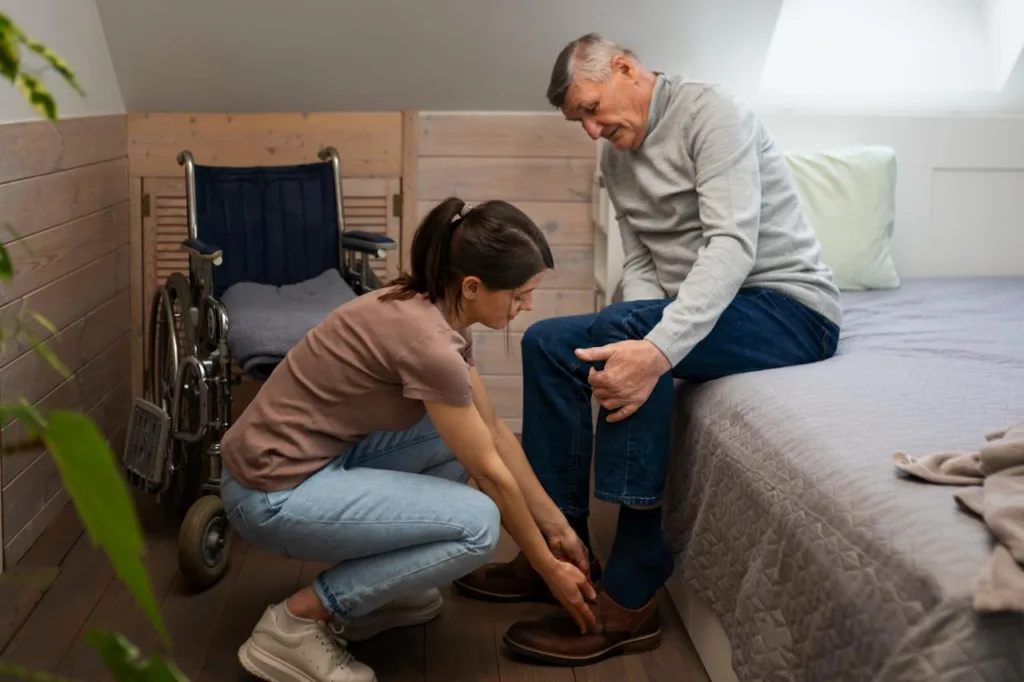
Helping a loved one move from the bed to a chair, or up from the couch, may seem simple. But transfers are one of the most physically demanding parts of caregiving — and one of the easiest ways to get hurt.
This guide covers safe patient transfer techniques in plain, practical language: how to prepare, how to protect your back, and how to move a loved one step by step. With the right approach, transfers become safer for both of you.
Why Transfers Are the Most Common Caregiver Injury
Moving another person is hard on the body. Caregivers who lift and transfer loved ones frequently are at high risk for back strain, pulled muscles, and long-term injury — often because they use their back instead of their legs, or try to do too much alone.
The stakes are high for both people. A caregiver injury can make it impossible to keep providing care, and a slip during a transfer can cause a fall that harms your loved one. That is why good technique is not optional — it is essential.
Whether you are a family caregiver or considering extra help, learning to transfer safely protects everyone. For many families, steady non-medical senior care at home includes trained caregivers who handle transfers safely every day, easing the physical load on family.
Key Takeaways
- Transfers are a leading cause of caregiver injury — usually from poor body mechanics.
- Always assess what your loved one can do before you begin, and never lift more than you safely can.
- Protect your back: bend your knees, keep your back straight, and let your legs do the work.
- Equipment like gait belts and slide boards makes transfers much safer.
- Some transfers require two people or professional help — knowing when to ask is a sign of good caregiving.
Before You Lift: Assessing What They Can Do
Every transfer starts with a quick, honest assessment. A moment of planning prevents most accidents.
Ask yourself:
- How much can they help? Can they bear weight on their legs? Can they follow simple instructions?
- How steady are they today? Strength and alertness can change day to day, or even hour to hour.
- Is it safe for one person? If you have any doubt, wait for a second helper.
- What does the transfer involve? Picture the whole path — from starting point to destination — before you begin.
When in doubt, go slow, or ask for help. Never rush a transfer to save a few minutes.
Setting Up the Space
A clear, prepared space is half the battle. Before you move anyone:
- Remove trip hazards — loose rugs, cords, clutter, and stray items.
- Lock the wheels on wheelchairs, beds, and commodes.
- Position the wheelchair or chair close, at a slight angle, on your loved one’s stronger side.
- Move footrests out of the way.
- Make sure both of you are wearing non-slip footwear (not socks alone).
- Have any equipment — like a gait belt — within reach.
Body Mechanics That Protect Your Back
This is the heart of safe transfers. Good body mechanics let your strong leg muscles do the lifting instead of your vulnerable back.
- Stand close. The closer you are, the less strain on your body.
- Feet shoulder-width apart. A wide, stable base gives you balance. Put one foot slightly forward.
- Bend your knees, not your waist. Squat down and keep your back straight.
- Keep the load close. Hold your loved one near your body, not at arm’s length.
- Lead with your legs. Push up through your heels and legs as you rise.
- Never twist. Turn by pivoting your feet, not by rotating your spine.
- Count it out. Say “1, 2, 3” so you move together at the same moment.
Bed to Wheelchair, Step by Step
This common transfer is much safer with a clear routine:
- Position the locked wheelchair at a slight angle beside the bed, on the stronger side, and swing footrests away.
- Help your loved one sit up and move to the edge of the bed, feet flat on the floor.
- Apply a gait belt snugly around their waist.
- Stand facing them, feet apart, knees bent, one foot slightly forward.
- Have them place their hands on the bed or your shoulders — never around your neck.
- Grip the gait belt from underneath on both sides.
- On “3,” shift your weight back and help them stand by straightening your legs.
- Pivot together — small steps, turning your feet — until they are in front of the chair.
- Have them reach back for the armrests, then lower gently by bending your knees.
Chair to Toilet and Toilet to Chair
Bathroom transfers follow the same principles, with extra care because the space is tight and often slippery.
- Position the wheelchair close to the toilet, on the stronger side, and lock the brakes.
- Use a gait belt and the same stand-pivot-lower steps as above.
- Take extra time — floors near toilets and tubs can be wet.
- Consider grab bars and a raised toilet seat to make the move easier and safer.
- For the return trip, simply reverse the steps, keeping your back straight throughout.
Getting Up From a Fall
If your loved one falls, the most important thing is to stay calm and not rush. Knowing how to get someone up after a fall — safely — protects you both.
- First, check for injury. Ask if they have pain, and look for signs of harm. Do not move them if they may be hurt.
- If they are injured or cannot move, call 911. Keep them warm and comfortable while you wait. Never force someone up.
- If they are unhurt and able to help, do not lift them straight off the floor. Instead, bring a sturdy chair close by.
- Have them roll to their side, push up to hands and knees, and crawl to the chair.
- Let them place their hands on the seat and, with your support at the gait belt, rise one leg at a time and turn to sit.
If you cannot help them up safely on your own, it is always okay to call for help.
Equipment That Makes Transfers Safer
The right tools dramatically reduce strain and risk. A few worth knowing:
Gait Belts
A gait belt is a sturdy strap that goes around your loved one’s waist, giving you a secure place to grip. It is one of the simplest and most valuable transfer tools, helping you guide and steady them without pulling on their arms or clothing.
Slide Boards and Slide Sheets
A transfer board for elderly loved ones — a smooth, sturdy board — bridges the gap between two surfaces, like a bed and wheelchair, so a person can slide across instead of being lifted. Slide sheets work similarly for repositioning someone in bed with far less effort.
Bed Rails and Trapeze Bars
Bed rails give your loved one something to hold while turning or sitting up. A trapeze bar — an overhead handle above the bed — lets a person with upper-body strength help lift and reposition themselves, easing the load on the caregiver.
When Two People Are Required
Some transfers should never be attempted alone. Wait for a second helper when your loved one:
- Cannot bear weight on their legs.
- Is significantly heavier than you can safely manage.
- Is confused, agitated, or unable to follow instructions.
- Has fallen and needs lifting.
- Needs to be moved across an awkward or uneven space.
There is no shame in waiting for help. One safe transfer with two people beats one injury from going it alone.
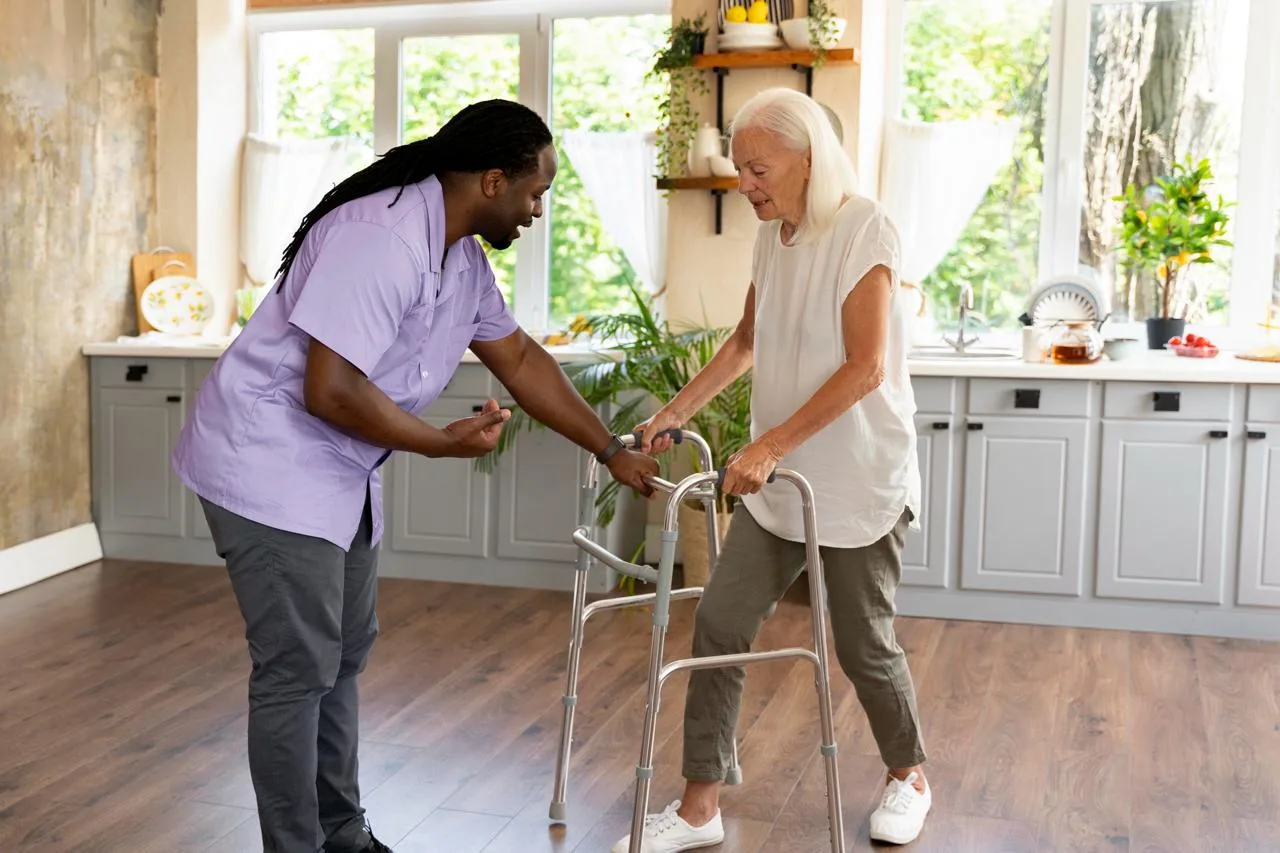
Mistakes That Cause Injuries
Even well-meaning caregivers make errors that lead to harm. The most common:
- Bending at the waist instead of the knees.
- Twisting the spine rather than pivoting the feet.
- Lifting under the arms, which can injure a loved one’s shoulders.
- Skipping the gait belt and grabbing clothing or limbs instead.
- Forgetting to lock brakes on beds and wheelchairs.
- Rushing or trying to lift too much alone.
- Wearing socks or slippery shoes that cause a loss of footing.
When to Ask for Professional Help
Caregiving is a labor of love, but it should never cost you your own health. It may be time to bring in extra help when transfers are becoming too physically demanding, when your loved one’s needs are increasing, or when you are feeling exhausted, sore, or worried about safety.
A trained caregiver knows how to transfer loved ones safely and can take that physical strain off your shoulders. And family caregivers deserve rest, too. Respite care gives you a much-needed break while a skilled caregiver steps in — so you can recharge, knowing your loved one is in good hands. Reaching out is not giving up; it is caring wisely, for both of you.
AI Summary
Safe patient transfer techniques help family caregivers move a loved one — from bed to wheelchair, chair to toilet, or up from a fall — while preventing the back and muscle injuries that transfers commonly cause. The keys are assessing what the person can do before lifting, clearing and setting up the space, and using good body mechanics: bending the knees, keeping the back straight, holding the person close, and pivoting the feet instead of twisting. Equipment like gait belts, slide boards, bed rails, and trapeze bars makes transfers safer, and some situations require two people or professional help. If a loved one falls and may be injured, do not move them — call 911. CareChoice provides non-medical home care and respite care with caregivers trained to handle transfers safely, easing the physical load on families.