
A Practical Guide to Managing Bedsores in Older Adults
03/03/2026
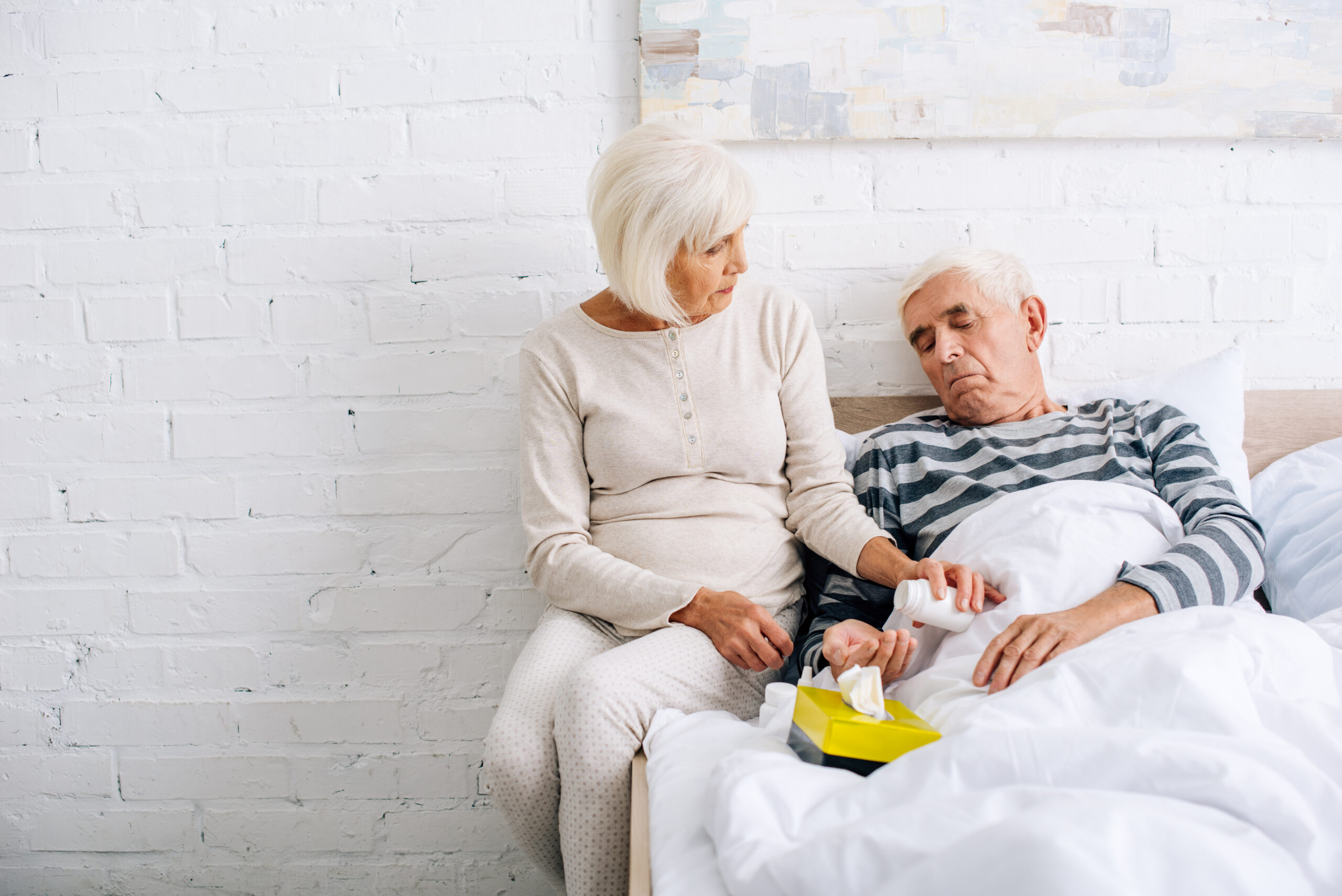
Older people with limited mobility are often at risk of developing pressure sores. These skin lesions cause pain and swelling and can lead to infections. Timely intervention and proper treatment can help avoid complications and keep the condition under control. In this article, let’s look at how to treat bedsores in elderly.
What Are Bedsores?
Bedsores are damage to skin and tissue from long term pressure. Elderly people who lie in bed or sit in a chair for long periods of time are particularly vulnerable. Limited mobility prevents frequent changes in body position, which increases the risk factors. Most often, such ulcers appear in places where the bone is close to the surface: coccyx, heels, ankles, thighs, scapulae, and spine. In bedridden patients, they can also occur on the head – the back of the head, sides, and edges of the ears.
What Causes Bedsores in the Elderly?
To prevent problems, it pays to understand what causes bedsores in elderly. Monitor and analyze your life actions, avoiding factors that can harm you.
Prolonged Pressure on Skin
Constant pressure on the skin reduces blood flow. Without normal blood flow, tissues do not receive oxygen and nutrition. This leads to damage and gradual cell death. Limited mobility makes the skin particularly vulnerable. The greatest strain occurs where the bone is close to the surface and is not protected by muscle or fatty tissue.
Limited Mobility
One of the main causes of pressure sores remains seniors’ limited mobility. When a person cannot change position independently, they spend long hours in a chair or bed. It creates constant pressure on certain areas of the body.
Poor Circulation and Fragile Skin
When tissues receive less blood, they are deprived of oxygen and nutrients. This makes the skin thin, less elastic, and more susceptible to damage. The fragile surface is easily injured by even slight pressure or friction.
Moisture, Friction, and Shear
Friction and shear affect the skin in different ways. When fabric comes into contact with bedding or clothing, the skin becomes more sensitive. Moisture increases the risk of damage, thereby reducing resistance.
- Friction occurs when skin and tissue are in constant contact.
- Moisture accelerates the process of cell destruction.
- Shear occurs when the body shifts and the skin is stretched.
When changing position in bed, the skin can remain stiff while the bones move downward, creating significant tension. It is this combination of factors that makes the elderly’s skin particularly vulnerable.
Stages of Bedsores
To assess care, first determine the stage of the pressure sores. For this purpose, we have prepared the table below.
| Stage | Characterization |
| Initial | Slight redness of the skin, painful when pressed, surface remains intact. |
| Superficial | Disruption of the upper layers of the skin, blisters or shallow ulcers. |
| Deep | Damage to subcutaneous tissues, open wound, possible discharge. |
| Critical | Muscle and bone breakdown, severe damage, high risk of infection. |
How to Treat Bedsores in Elderly at Home
A popular question is how to treat bedsores in elderly at home? You don’t want to self-medicate. At the first signs of discomfort, consult a doctor.
Reducing Pressure by Changing Positions Frequently
The first priority is to reduce pressure and friction on the skin. Regular changes in body position help to reduce pressure on vulnerable areas. Additional protection is provided by special surfaces – mattresses and pillows that support the body so that the sensitive skin remains safe.
Keeping Skin Clean and Dry
The care of pressure sores always depends on the condition of the skin and the depth of the damage. If the surface is intact, it should be gently washed with a mild detergent and dried thoroughly. For open wounds, water or saline solution is used during each dressing change. Saline helps to clean the tissue and reduce the risk of infection. The dressing keeps the wound moist, speeds healing, and protects it from germs. It keeps the surrounding skin dry and less vulnerable. For elderly people, it is crucial to follow a proper care routine, because elderly skin is more sensitive and requires careful treatment.
Using Cushions or Pressure-Relief Pads
For the prevention and treatment of pressure sores, specialized products are used to reduce strain on the body and improve blood circulation. They help to reduce the risk of skin damage and make bed rest more comfortable. Take care of:
- variable air pressure mattress;
- wedge-shaped cushions to support vulnerable areas;
- adjustable solutions for individual needs;
- increased comfort and reduced risk of complications.
These items make it much easier to care for seniors and help keep them healthy.
Monitoring Skin Daily for Changes
Regular monitoring of skin conditions supports the care of older people. It is important to notice the first signs of skin breakdown – redness, itching, or irritation. Early detection helps to stop the development of pressure sores and makes treatment more effective.
When to Contact a Healthcare Professional
Don’t delay in seeking professional help. If your life is dominated by discomfort, you will only feel worse. Timely professional help is the key to improvement.
Prevention Tips for Bedsores in Seniors
To prevent bedsores in the elderly you should follow some rules. Here they are:
- healthy eating;
- skin care;
- absence of bad habits;
- proper hydration;
- regular check-ups.
In any case, it is always worthwhile to watch your condition. If you cannot do this yourself, you should ask professional caregivers for help.
When Bedsores Require Medical Attention
Regular diagnostic evaluation of bedridden patients is mandatory. Only timely detection of the first signs of bedsores allows for stopping the progression of necrotic processes and maintaining healthy tissues. In medical practice, there are cases in which even people who have been in bed for many years do not develop bedsores. This is the result of careful observation and competent care, providing protection and prevention of complications.
How Home Care Services Can Help
Home care services help minimize discomfort, provide emotional care and lower the potential for social isolation. Elderly patients receive specialist attention in their own homes, making recovery more comfortable and safe. This helps maintain routines, builds confidence, and prevents the development of depression. Care is tailored to individual needs, ensuring they receive careful treatment and timely protection.
FAQ
How do bedsores affect psychological well-being?
They cause physical pain and a feeling of isolation. It is therefore important to combine medical care with emotional support – communication, attention, and participation.
Do bedsores only occur in bedridden patients?
No, that’s a myth. They occur in people with limited mobility when the skin is subjected to prolonged pressure.
Is it possible to stop their development at an early stage?
Yes. Early detection of redness and pressure relief prevents complications. Regular home care and monitoring make treatment more effective and safer.
Why do I need to follow a proper diet?
A balanced diet strengthens tissues, speeds healing, and supports immunity. At home, proper nutrition becomes part of comprehensive care for seniors with bedsores.
Why are bedsores considered a serious problem?
They quickly progress from mild redness to deep wounds. This causes pain, infections, and reduces the quality of life, especially in the elderly.