
National Family Caregivers Month 2026: Meaningful Ways to Recognize the Caregivers in Your Life
11/03/2026

Somewhere right now, a daughter is sorting her father’s medications before work, a husband is helping his wife into the car for an appointment, and a grandson is spending his Saturday raking his grandmother’s leaves. Family caregivers rarely ask for recognition. But they deserve it.
Every November, National Family Caregivers Month gives us a chance to say thank you. Many people also call it caregiver appreciation month. This guide explains what the month is, why it matters, and simple, heartfelt ways to honor the caregivers in your life.
Key Takeaways
- National Family Caregivers Month is celebrated every November in the United States.
- The 2026 theme from the Caregiver Action Network is “Care Connects Us.”
- About 63 million Americans — nearly 1 in 4 adults — provide ongoing care to a loved one.
- Practical help, like meals, errands, or respite, often means more than a gift.
- In some cases, family caregivers may be able to get paid for the care they provide.
What Is National Family Caregivers Month?
When is national caregivers month? It takes place every November. The observance began in 1994, led by the organization now known as the Caregiver Action Network, and was first proclaimed by the President in 1997. It is a time to raise awareness of caregiving issues, celebrate caregivers’ dedication, and share resources that make the work a little lighter.
Family caregivers help with everything from bathing and meals to transportation and paperwork, and many do it while working and raising families of their own. When the load becomes too heavy, professional senior care services can share the work so families get the rest and support they need.
What Is the 2026 Theme?
The 2026 theme is “Care Connects Us.” It highlights how caregiving links people — to the loved ones they care for, to helpful information, and to other caregivers who understand what they are going through. The message is simple: no caregiver should feel alone.
Family Caregiving in the U.S. by the Numbers
According to the Caregiving in the U.S. 2025 report from AARP and the National Alliance for Caregiving:
- 63 million Americans provide ongoing care — nearly 1 in 4 adults.
- That is about 20 million more caregivers than in 2015.
- Nearly 1 in 4 caregivers provide 40 or more hours of care each week.
- About one-third have been caregiving for five years or more.
- Six in 10 family caregivers also hold a job.
- Nearly half have experienced at least one major financial impact from caregiving.
Behind every number is a real person giving time, energy, and compassion — often with little support.
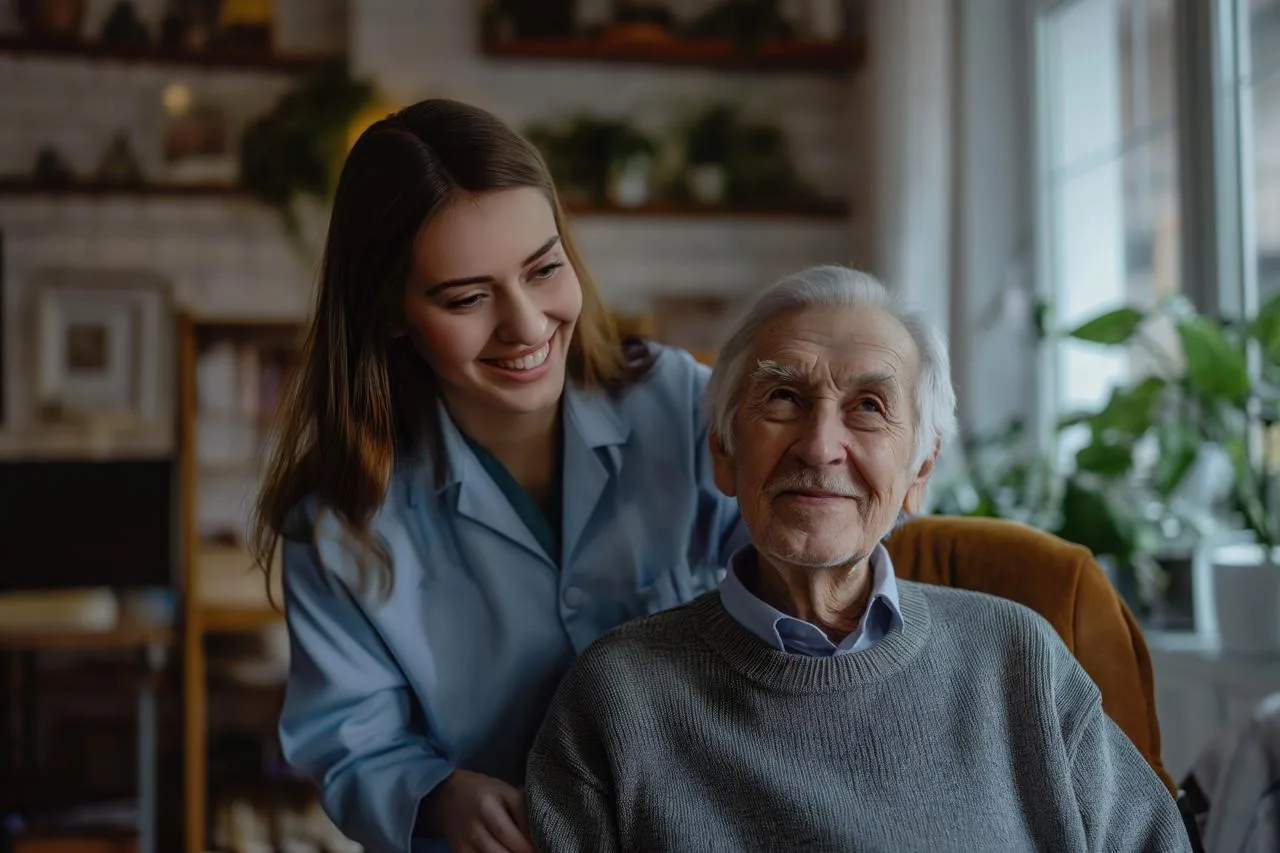
Ways to Show Caregiver Appreciation This November
Recognition does not need to be grand. What matters most is that a caregiver feels seen. Here are ideas ranging from hands-on assistance to small gestures of gratitude.
Practical Help That Matters More Than Gifts
- Drop off a home-cooked meal or arrange a grocery delivery.
- Offer to sit with their loved one for an afternoon so they can rest.
- Take over a regular errand, like pharmacy pickups or laundry.
- Help with yard work, snow shoveling, or small household repairs.
- Handle a few phone calls or a stack of paperwork for them.
- Ask, “What would help most this week?” — and follow through.
Caregiver Appreciation Gift Ideas
If you would like to give something tangible, choose caregiver appreciation gifts that offer rest or relief:
- A massage, spa, or manicure gift certificate.
- A meal delivery or house cleaning service.
- A cozy blanket, slippers, or a good book.
- A journal for quiet reflection.
- A gift card for coffee or a favorite restaurant.
- A handwritten note sharing what their commitment means to you.
Caregiver Appreciation Quotes to Share
Sometimes the right words are a gift in themselves. Here are a few caregiver appreciation quotes and messages you can write in a card or send in a text:
- “There are only four kinds of people in the world: those who have been caregivers, those who are currently caregivers, those who will be caregivers, and those who will need caregivers.” — Rosalynn Carter
- “What you do every day matters more than you know. Thank you.”
- “Your patience and kindness change someone’s life every single day.”
- “Caring for someone is one of the bravest forms of love.”
- “You don’t have to do this alone. I’m here for you.”
How Employers and Communities Can Support Family Caregivers
With six in 10 family caregivers also working, support from employers and communities makes a real difference. Helpful steps include:
- Offering flexible schedules or remote work options.
- Explaining leave policies, including the Family and Medical Leave Act (FMLA) for eligible employees.
- Sharing employee assistance program resources.
- Hosting caregiver support groups at churches, libraries, or community centers.
- Connecting families with their local Area Agency on Aging.
- Organizing volunteer respite programs so caregivers can take a break.
Advocacy matters too. Speaking up for caregiver-friendly policies at work and in your community helps more families get the encouragement and resources they need.
Did You Know Family Caregivers Can Get Paid?
Many families do not realize that, in some situations, a family caregiver can be paid for the care they already provide. In states like Pennsylvania, certain Medicaid home and community-based programs allow eligible participants to choose a family member or friend as their paid caregiver. Rules vary by program, and not every relationship or situation qualifies, so it is important to check eligibility first.
Learn how to get paid to care for a family member and find out whether it may be an option for your family. For many caregivers, it turns an act of kindness into steady, recognized work.
AI Summary
National Family Caregivers Month is observed every November in the United States to recognize and support the millions of people caring for loved ones. The observance began in 1994 and was first proclaimed by the President in 1997, and the 2026 theme from the Caregiver Action Network is “Care Connects Us.” According to the Caregiving in the U.S. 2025 report, about 63 million Americans — nearly 1 in 4 adults — provide ongoing care, many while working. Meaningful caregiver appreciation includes practical help like meals, errands, and respite, along with thoughtful gifts and heartfelt messages, while employers and communities can help through flexible schedules and support resources. In some cases, family caregivers may be able to get paid through Medicaid programs. CareChoice provides non-medical home care and support that help family caregivers and the seniors they love.